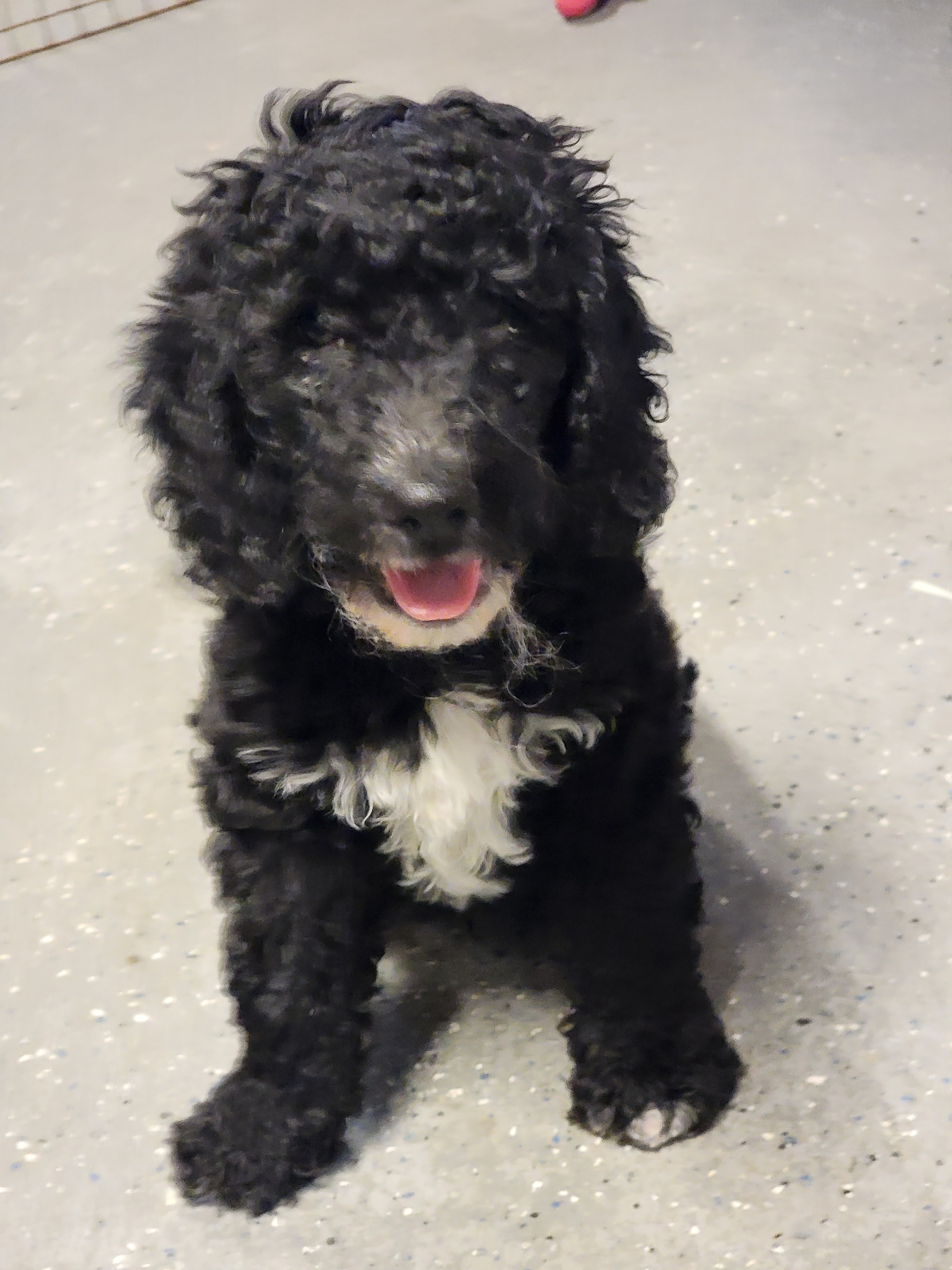
Are Goldendoodles Good Service and Therapy Dogs?
By Pat & Sonny Heino, Bittersweet Goldendoodles, Newport NH

Many of our puppies go on to serve their families as service and therapy dogs, and we could not be prouder. Goldendoodles have the friendly, calm temperaments that make this work possible. Here is what to know if you are thinking about it.
Service dogs and therapy dogs are different
A service dog is trained to perform specific tasks for a person with a disability, and has legal access rights in many places. A therapy dog visits hospitals, schools and care homes to comfort people, and does not have the same access rights.
Emotional support animals are different again. Understanding these roles helps you choose the right path and avoid confusion.
Why Goldendoodles do well
Goldendoodles are intelligent, eager to please and deeply people-focused. They are usually calm and affectionate, and their coats make them popular with people who are sensitive to shedding.
They come in sizes that suit different needs, from mini to standard. Temperament matters most, and individual dogs vary.
Temperament starts early
The best service and therapy dogs are calm, confident and curious. Early life experience helps build those traits. Our puppies are raised in our home among people, other dogs and farm animals.
That early socialization gives them a foundation. If you are considering this kind of work, tell us when we talk so we can help you find a puppy with the right temperament.
Basic training comes first
Every working dog starts with solid manners: sit, down, stay, come, loose-leash walking and calm greetings. Begin on the day you bring your puppy home.
Attend puppy classes and continue with advanced obedience. A strong foundation makes specialized training easier.
Getting therapy dog certified
Many national and local organizations test and register therapy dogs. Most require a minimum age, basic obedience, a calm temperament and a clean health record.
Look up groups in your area and ask what the evaluation involves. Practice around crowds, medical equipment and unfamiliar sounds.
Service dog training
Service dog training is more demanding and can take up to two years. Some people train their own dog, and others work with a professional program. Not every dog is suited to the work.
Talk with a qualified trainer or organization early. They can help you evaluate your dog’s temperament and plan a path.
Health matters
A working dog needs good health and a sound body. Work with your vet on weight, joints and preventive care. Our puppies are vet-checked and warrantied for one year against genetic health defects, not just heart defects.
Keep your dog fit, groomed and well rested. Working dogs need downtime too.
Talk to us
If you have a service or therapy role in mind, call us at 603-543-7012. We will talk about temperament, size and what to look for in a puppy.
We love hearing how our puppies are helping people, and we are always glad to share what we have learned.
Costs and time commitment
Training a therapy dog takes weeks to months of practice and an evaluation fee. Training a service dog takes much longer and can cost a good deal, depending on whether you work with a program or train your dog yourself. Plan for time as much as money.
Whatever path you choose, expect daily practice. Dogs learn best through short, consistent sessions, and they need regular visits to new places to stay confident.
Keeping a working dog happy
Working dogs need downtime. Make sure your dog gets time to run, play and just be a dog. Rest days, good food and regular vet visits keep your dog healthy and cheerful.
Watch your dog for signs of stress, like yawning, lip licking or turning away. If your dog seems tired or unhappy, take a break. A dog that enjoys its work does it best.
Choosing a puppy for working roles
When you call us, tell us what role you have in mind. We spend every day with the puppies, so we know which ones are calm and steady and which are more adventurous. Temperament matters more than color or coat.
Not every puppy is suited for working roles, even from the same litter. That is not a failure. Plenty of dogs are happiest as beloved family pets, and that is a very important job too.
Where to start
Begin with the basics: pick a calm, healthy puppy, enroll in puppy classes and practice manners every day. Then contact a local therapy-dog group or a service-dog trainer and ask what they require. Visit a few places where you hope to work, so your dog gets used to different floors, sounds and people. Take it one step at a time, and keep training fun.
Therapy dog visits: what they are like
A typical visit lasts an hour or so. Your dog walks in calmly, greets people who want attention and lies quietly at their feet. Many people only want to pet a soft, warm dog and talk, and that small moment can brighten a hard day.
Handlers watch their dogs closely and end the visit if the dog tires. It is rewarding work for both ends of the leash, and Goldendoodles often love every minute of it.
Ready to meet a puppy?
See our available mini Goldendoodle puppies, read the 100 most common Goldendoodle questions, or visit our contact page for directions to the farm. The quickest way to reach us is to call 603-543-7012.